
A Fence Post!
How closely do you look at fences?

It’s easy to pass by fences, to just consider them as structures aimed at dividing land and proclaiming property rights. However, it’s worth giving them a second look, particularly if they are positioned underneath trees. Fences can be surprisingly interesting places to look for insects and other invertebrates.
The weekend before last, we visited Saughton Park close to where we live. It’s a nice park and, with the Water of Leith running through it, often proves to be a good place for seeing kingfishers and otters. It has a nice cafe too.
On this visit, we didn’t see either of those charismatic river species, but we did have a good look at the fences and found a few interesting species.
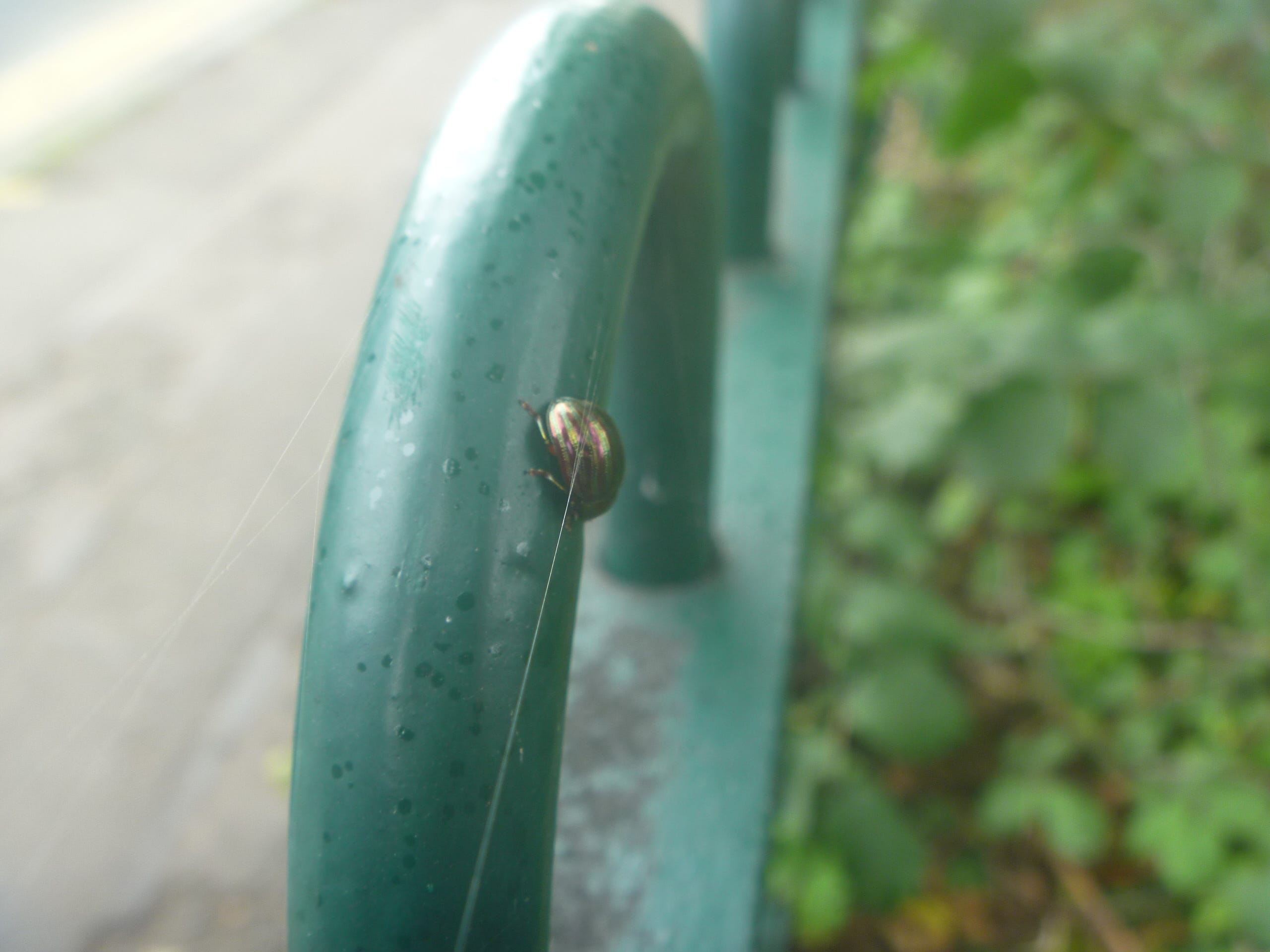
The pretty beetle below is a Rosemary Beetle (Chrysolina americana), an introduced species that has become a pest, but still, a very pretty pest
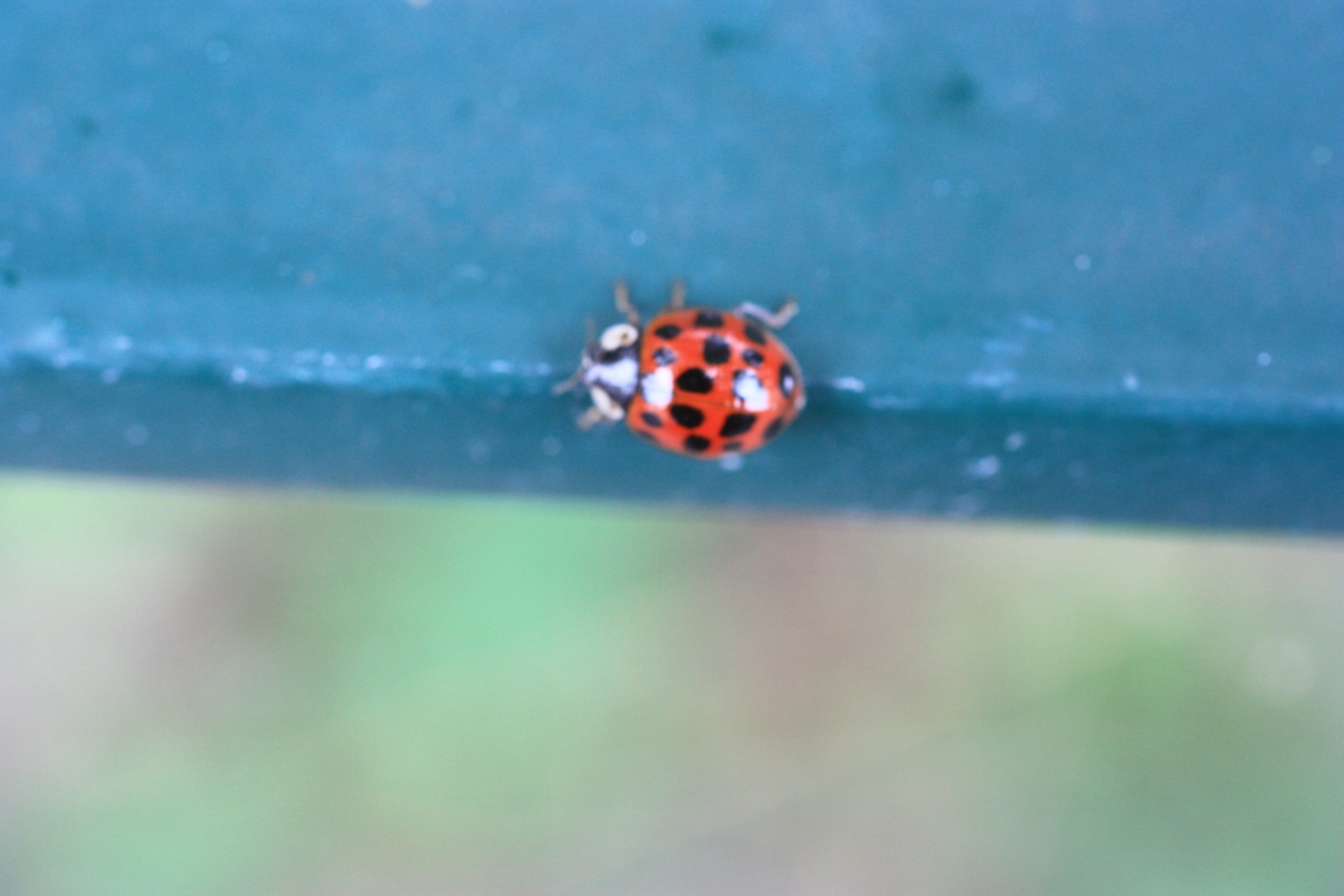
There were a number of Harlequin Ladybirds (Harmonia axyridis), an invasive species that often seems to be taking over from our native ladybirds.
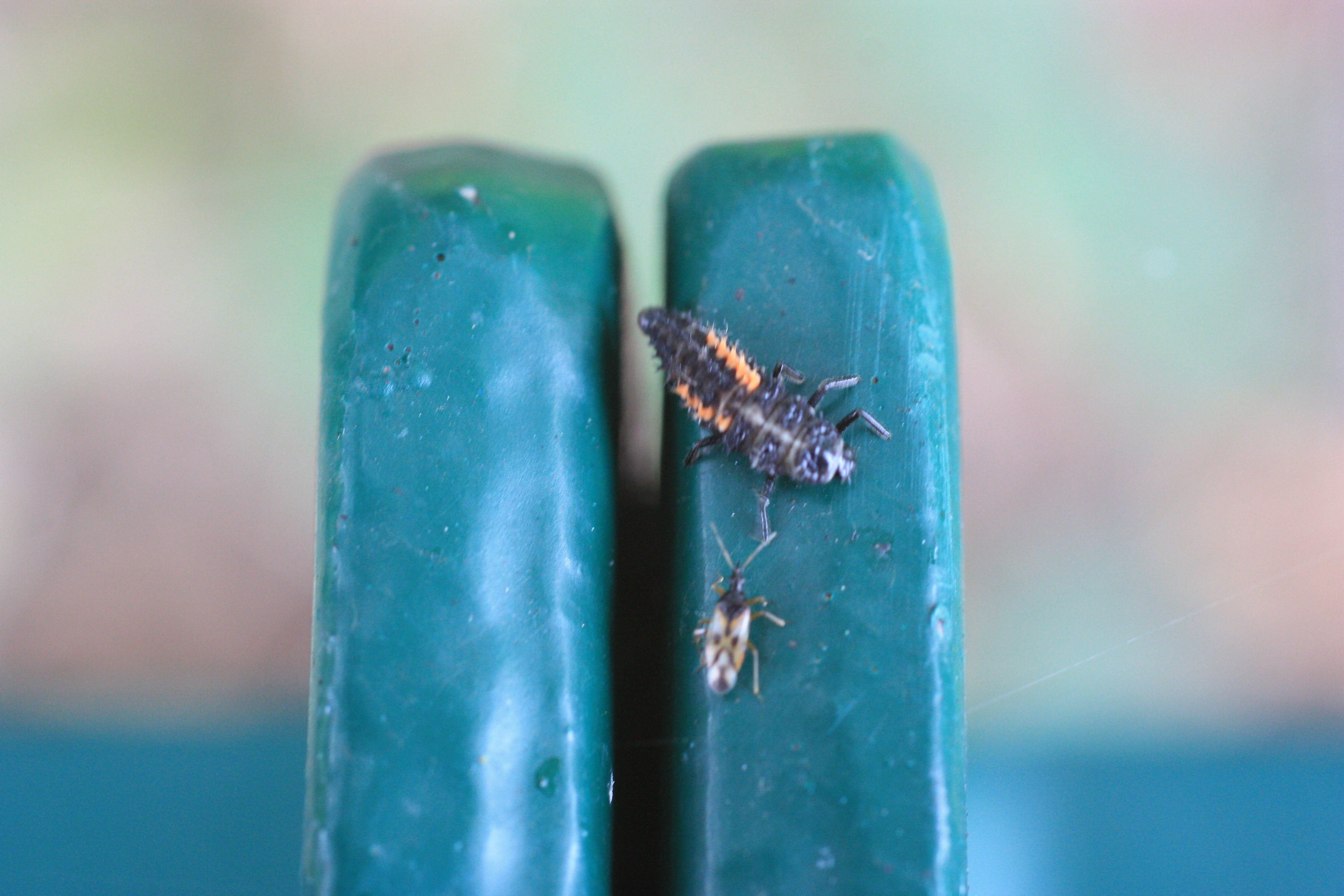
As well as the adult Harlequins seen above, there were also a number of Harlequin ladybird larvae. In the photo below, one of these larvae (the larger red and black insect) is seen with a Common Flower Bug (Anthocoris nemorum).
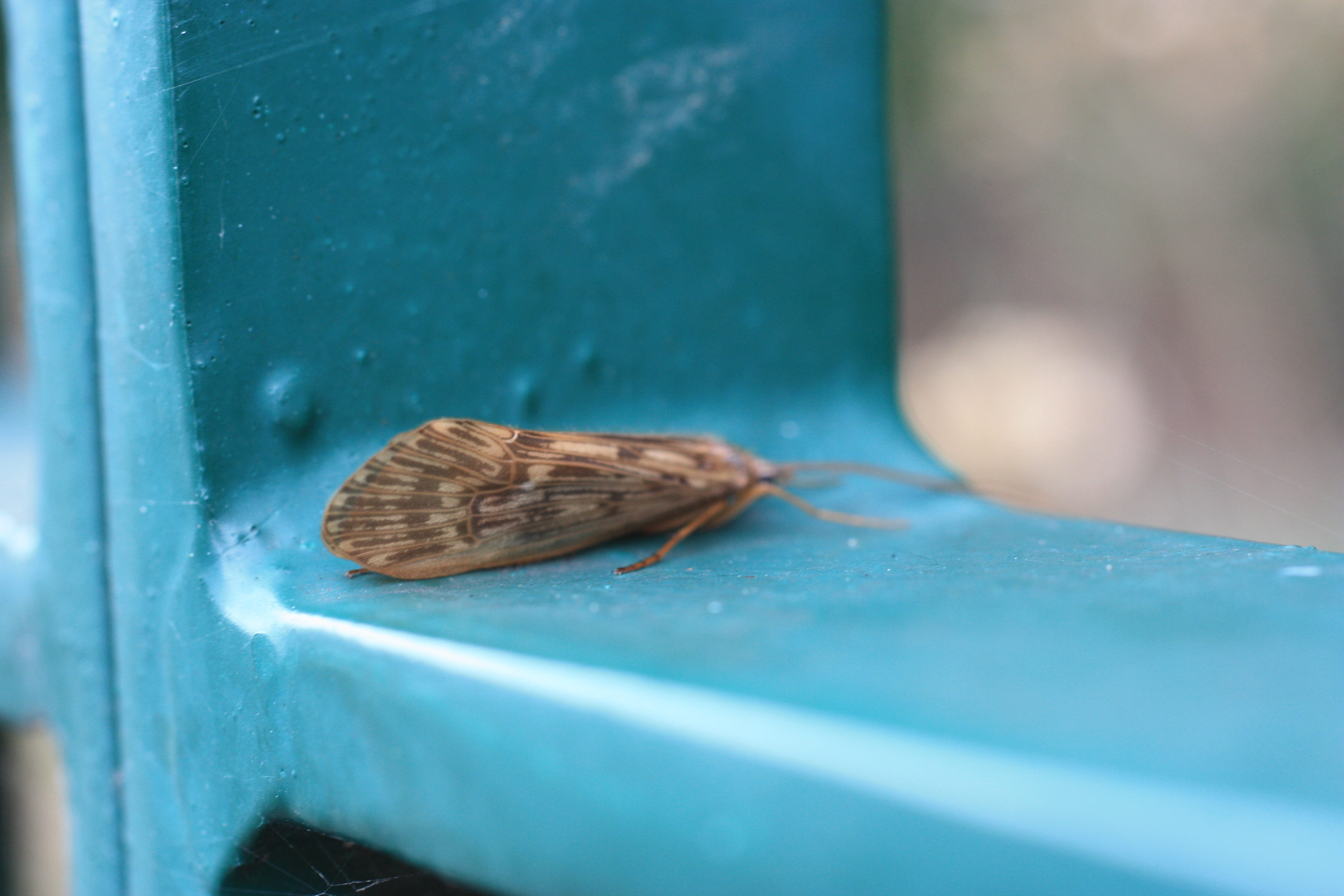
I think my favourite find was this beautiful caddis fly (Halesus radiatus)
There were also a number of insects we couldn’t identify to species level, including a couple of black beetles and this stonefly
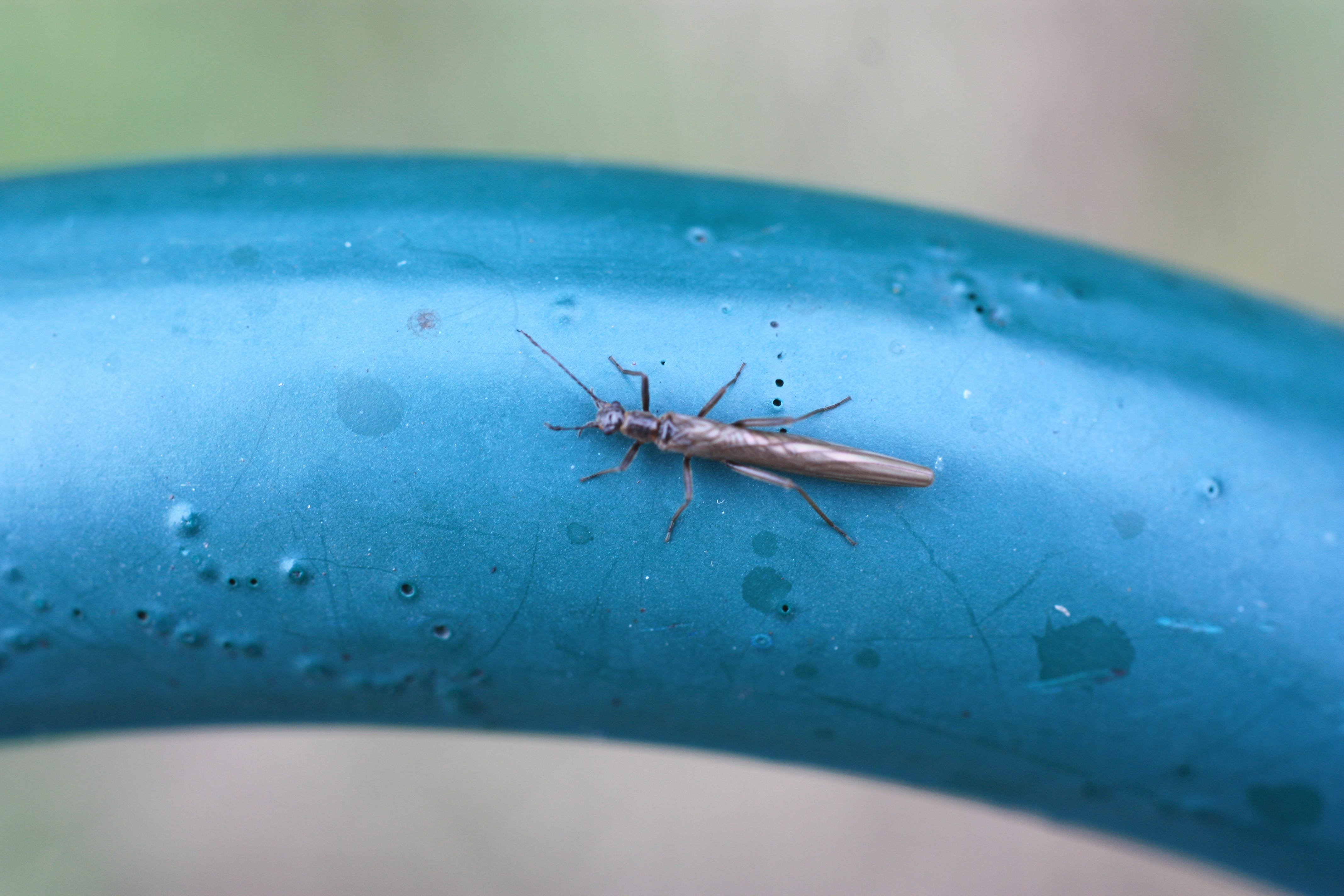
All these insects! Showing that a relatively short length of fence can be fascinating to anyone interested in invertebrates. It’s well worth keeping your eyes open and paying a little bit more attention when you next walk past a fence!
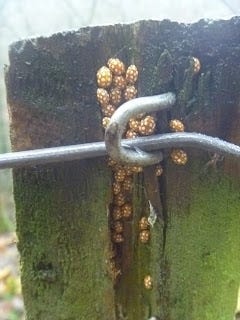
In a few weeks time, fences (and gravestones) under trees will become hibernation sites for a range of ladybird species. The photo below shows a gathering of hibernating Orange Ladybirds from a few years ago, look how closely they’re gathering together! I’ll be keeping my eye out for similar gatherings this winter.
Richard of Whilst Out Walking has been posting an interesting series about insects! A recent essay focused on true bugs.

Other Nature Observations
We recently discovered this strange growth on my mother-in-law’s pear tree.
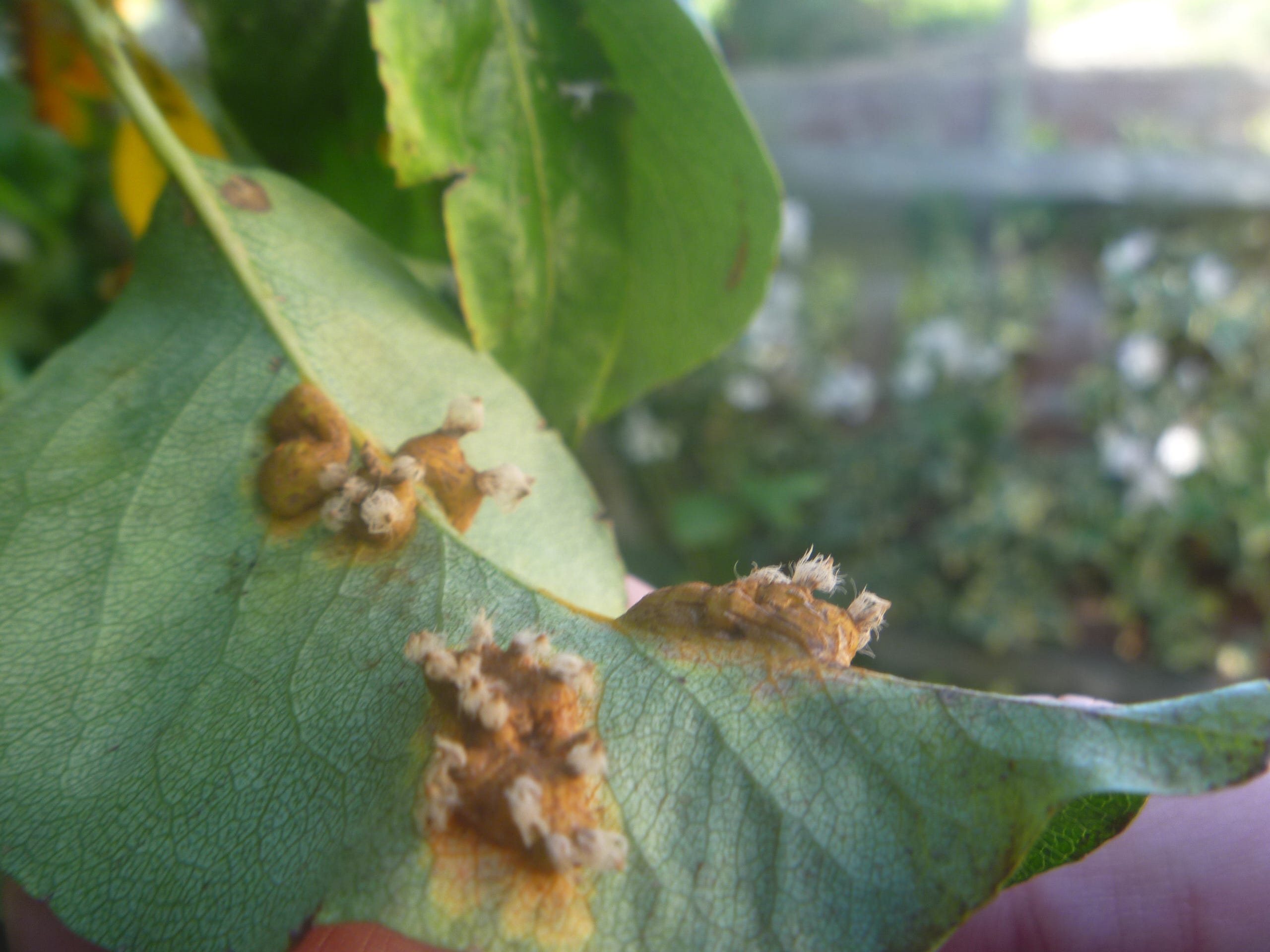
A little bit of research proved it to be pear rust fungus, which weakens the tree but doesn’t have a hugely detrimental effect.
Explore the extraordinary journeys of migratory birds and insects with storytelling and craft. This three-day event at the National Museum of Scotland in Edinburgh, starting on Wednesday 15 October, celebrates the biodiversity and cultural heritage of Scotland and Africa. I’ll be there at the Butterfly Conservation stall on the Wednesday morning.
A Great Recycling Idea
I loved this article on the Guardian newspaper website, which highlighted the work of Community Repaint, who collect and use left over paints from households and organisations.
Meanwhile in Australia
It’s time to vote for the Australian Bird of the Year! The Guardian newspaper has an interesting series of articles to support this project, which you can browse here.
So wonderful, to see the smallest of things right beneath us--love this, Juliet! My two oldest granddaughters (10) want to become entomologists after last summer's "Bug Camp." Sofia was just this week on the local news talking about how hissing cockroaches have superpowers! https://www.kgun9.com/news/local-news/university-of-arizona-news/bugging-out-arizona-insect-festival-celebrates-the-little-creatures-that-run-the-world?fbclid=IwY2xjawNTmRpleHRuA2FlbQIxMQABHr7LVkUDgOJVOjjYaCq7643XGt4LEu8Ny66fJzoh1RHxJEQdyddPwmDPHfVf_aem_JGYc7PL-UHEe3fSUpCSV4A
The closer we look, the larger our world becomes. Great post, Juliet.